DESIGNERS OF DEVELOPMENT OPTIONS

ABOUT US

Brain Trust: Knowledge and Options for Sustainable Development, Inc. is a Filipino sustainable development think tank that draws from the collective experience of the founding fellows to craft innovative and integrative development solutions for public and private sector clients. BTI principals are considered among the early pioneers of integrating social, economic, environmental, cultural and political dimensions in planning, policy-making and programming. Each BTI partner brings decades of experience in policy and program development, evaluation and assessment; strategic and action planning; futures thinking and econometric modelling; development management at all governance levels; communication and advocacy; stakeholder engagement; and capacity building in academic and non-academic contexts.

Vision

To be an organization of sustainable development professionals that is acknowledged and respected for the impeccable quality, practical applications and innovativeness of its products and services

Mission

Generating innovative and integrative pedagogies and processes that will catalyze interfaces between and across various disciplines, social groups and local and international arenas in planning, policy-making, implementation, monitoring and assessment of sustainable development interventions

HOW WE WORK

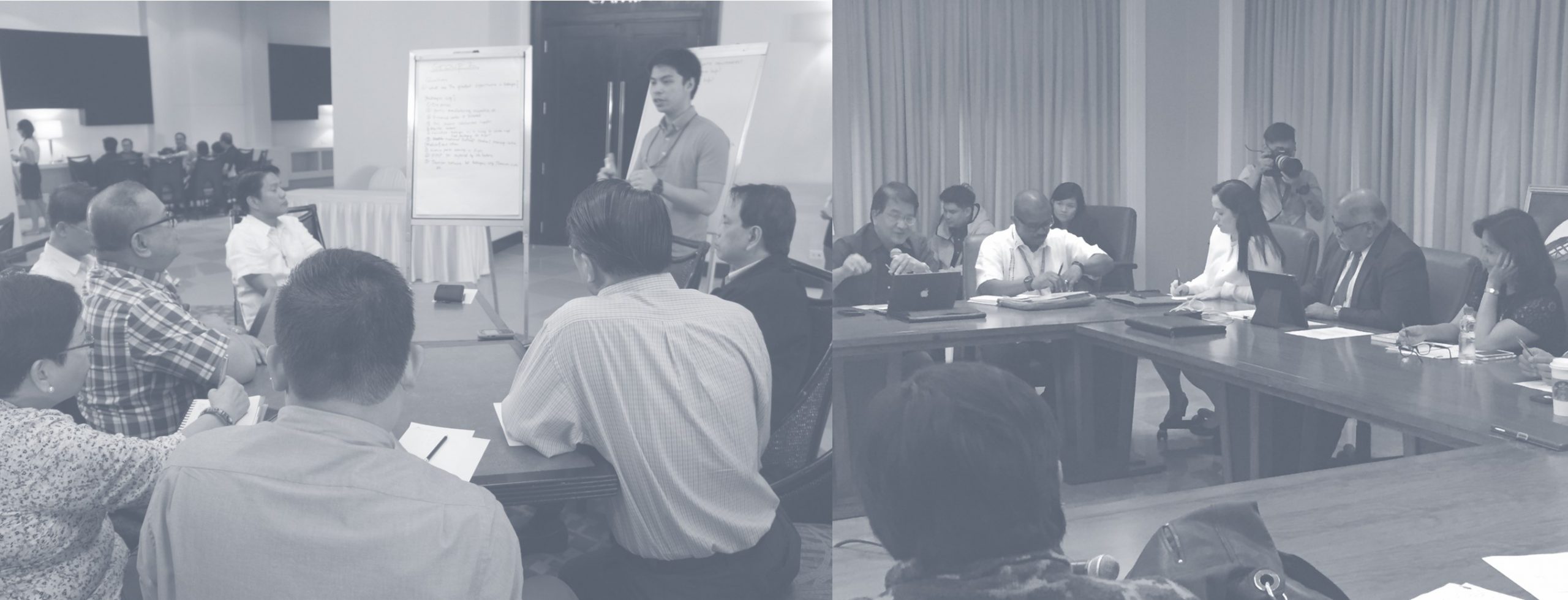
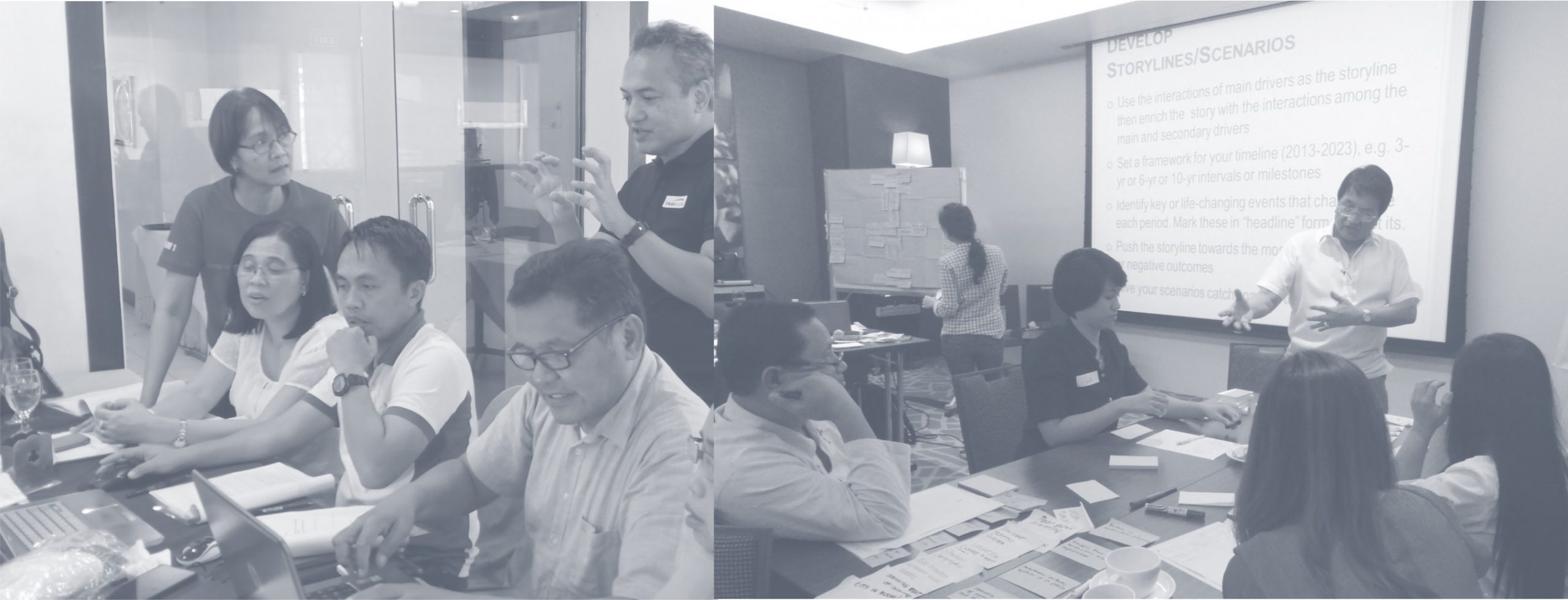
BTI operates through a collaborative, multi-disciplinary approach. We bring together highly qualified professionals from diverse fields and mobilize them across engagements involving donor institutions, private sector partners, government agencies, and communities. Through these partnerships, we contribute to building equitable social systems across different ecological and cultural contexts—anchored in respect for diversity, participation, and shared ownership of development outcomes. Our work is guided by a vision of a society where individuals and communities enjoy dignity, security in their chosen ways of living, and harmony between change and tradition—reflecting a balanced, integrated, and integrative development framework.

  • only engage experts, maintained through its multi-disciplinary Roster of Fellows, that have strong conceptual understanding, solid professional experience, and clear interest in and passion for the work at hand;
  • approaches problem solving using a holistic, integrative and systems approach, which examines an issue at hand from differing perspectives and lenses (e.g. climate change, economic, political, conflict) through its analytical, participatory and consultative tools and methods; and taps the potency of its multi-disciplinary Board of Directors (composed of recognized experts in their respective fields), which reviews and vets key project components and outputs as a standard procedure;
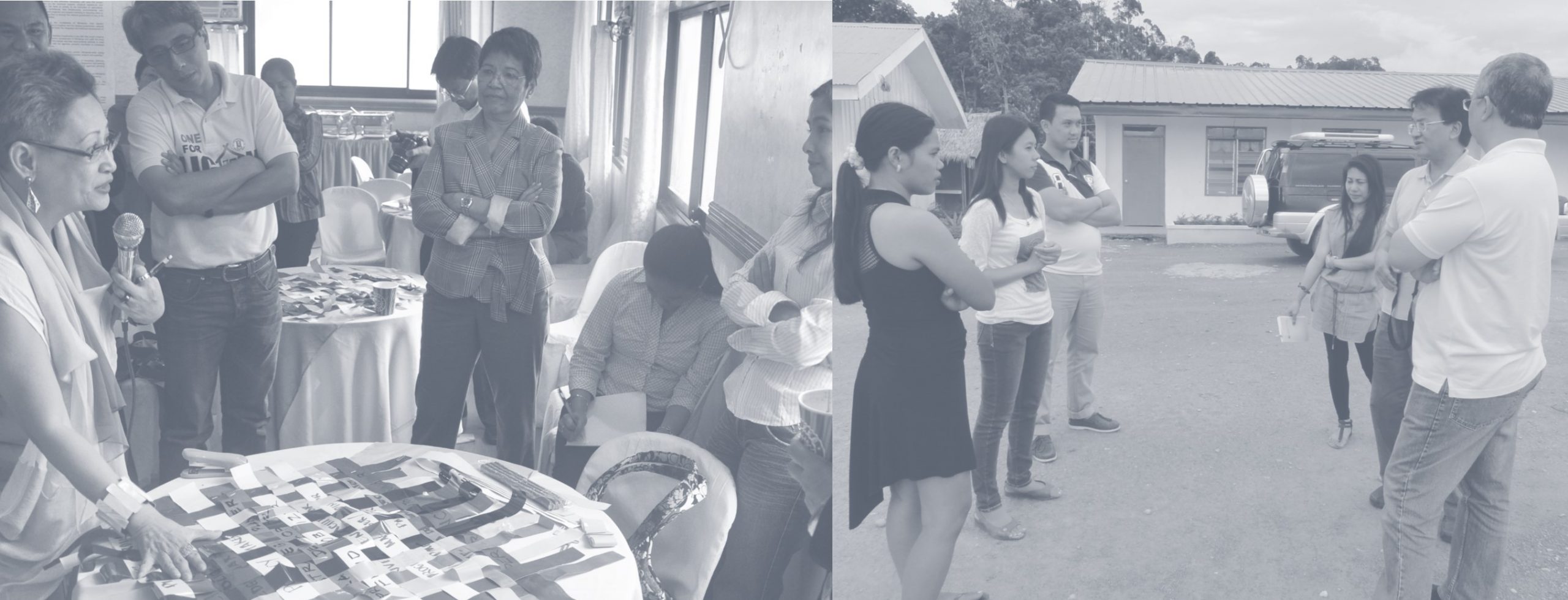
  • anchors its method on participation such that all projects must undertake undertake a multi-stakeholder consultative and participatory process to the extent appropriate to the required tasks; and project findings must be shared and discussed with stakeholders to the extent the project resources could support;
  • closely monitors project implementation; and regularly provides feedback, consults, and coordinates with the client.;
  • works in close consultation and coordination with clients as a standard operating procedure.
Quality Assurance & Governance

Through the above-described practices and the combination of solid baseline information and authentic consultation that builds a strong sense of ownership, BTI receives excellent feedbacks from clients who readily accept the outputs. Notwithstanding this, BTI has quality control mechanism and safeguards against the even remote possibility of unsatisfactory performance of its experts.

A standard practice of BTI in all its projects is the direct participation of its principals in two ways: (a) inclusion of the principal with relevant/required expertise in the project team; and (b) regular vetting of the process, findings and recommendations of the project team with the rest of the principals. This practice ensures that the project is viewed from all directions and disciplines (given the multi-disciplinary expertise of the principals), thus provides the assurance that the project results are holistic, integrated and coherent.

THE FOUNDERS

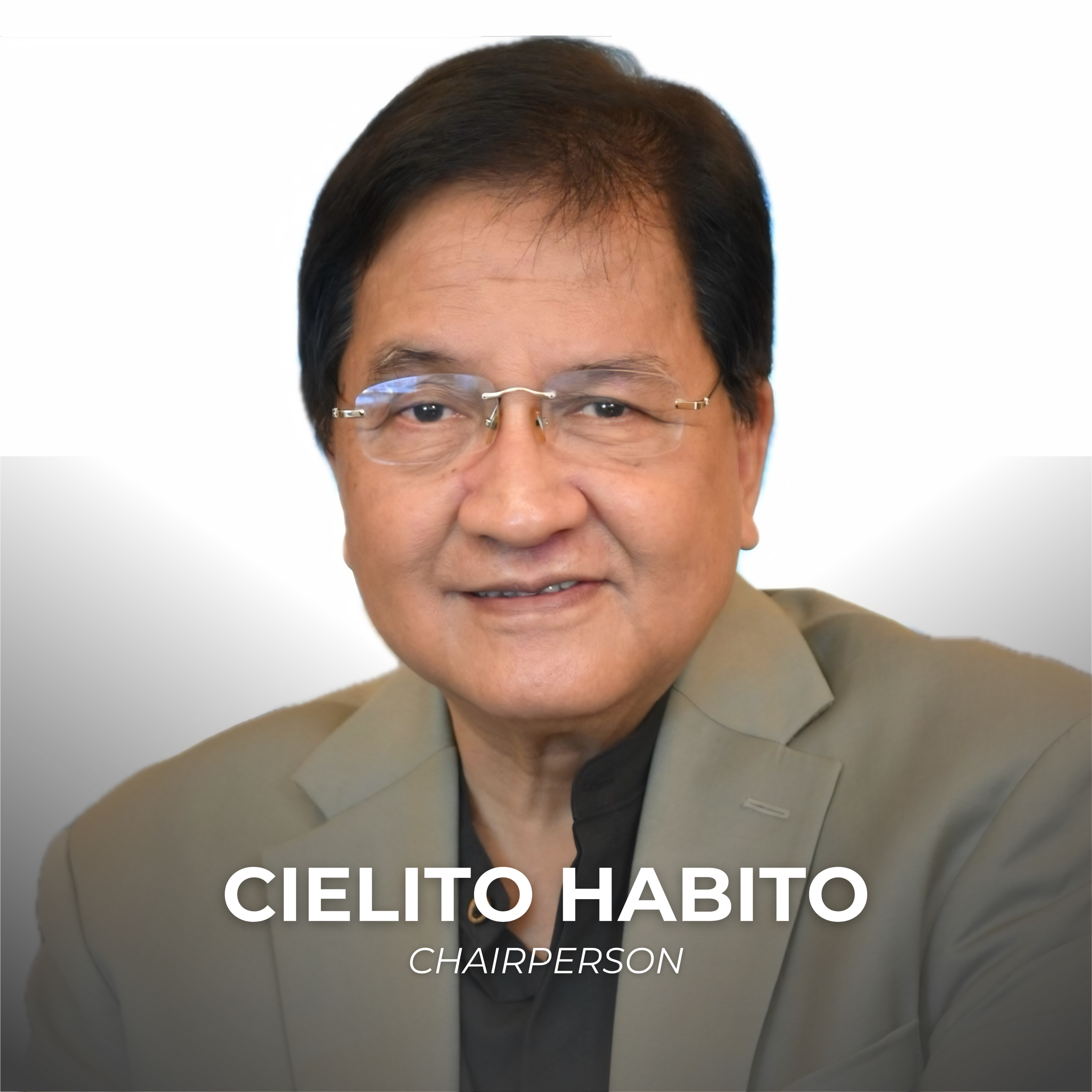
Dr. Habito was Secretary of Socioeconomic Planning heading the National Economic and Development Authority in the Cabinet of President Fidel V. Ramos in 1992-1998. He served as Professor of Economics at the Ateneo de Manila University in 2001-2024, writes the weekly op-ed column “No Free Lunch” in the Philippine Daily Inquirer, and is an Independent Director in several major corporations.


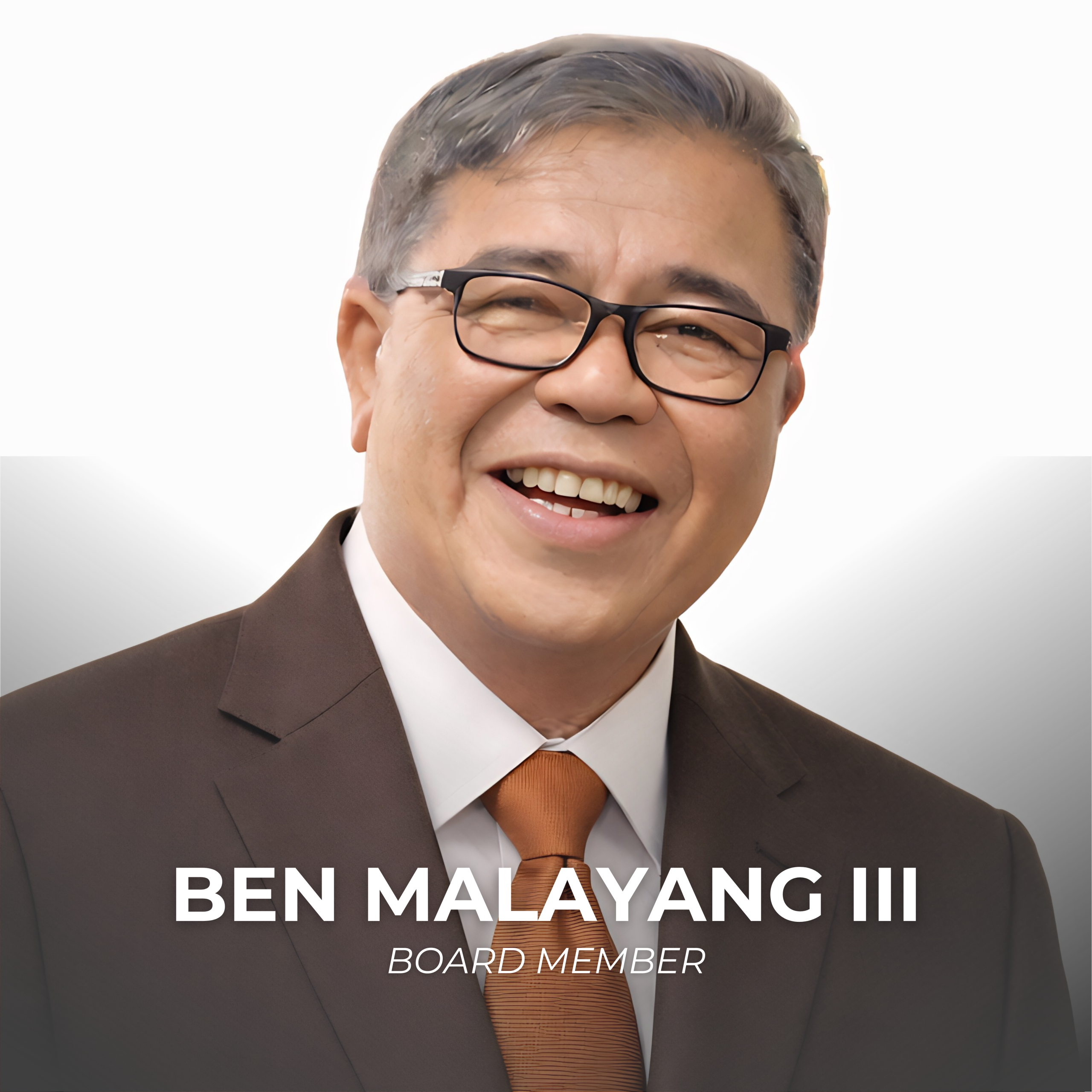
Dr. Malayang is an academic scholar and practitioner of environmental policy and governance specializing in environmental science, marine and fisheries governance, forest policy and security, environmental diplomacy and negotiations, biodiversity policy and programs, and environmental security. Research focuses on the institutional and political dimensions of environmental governance, including science diplomacy, the blue economy, and the role of environmental policy in development and national security contexts.


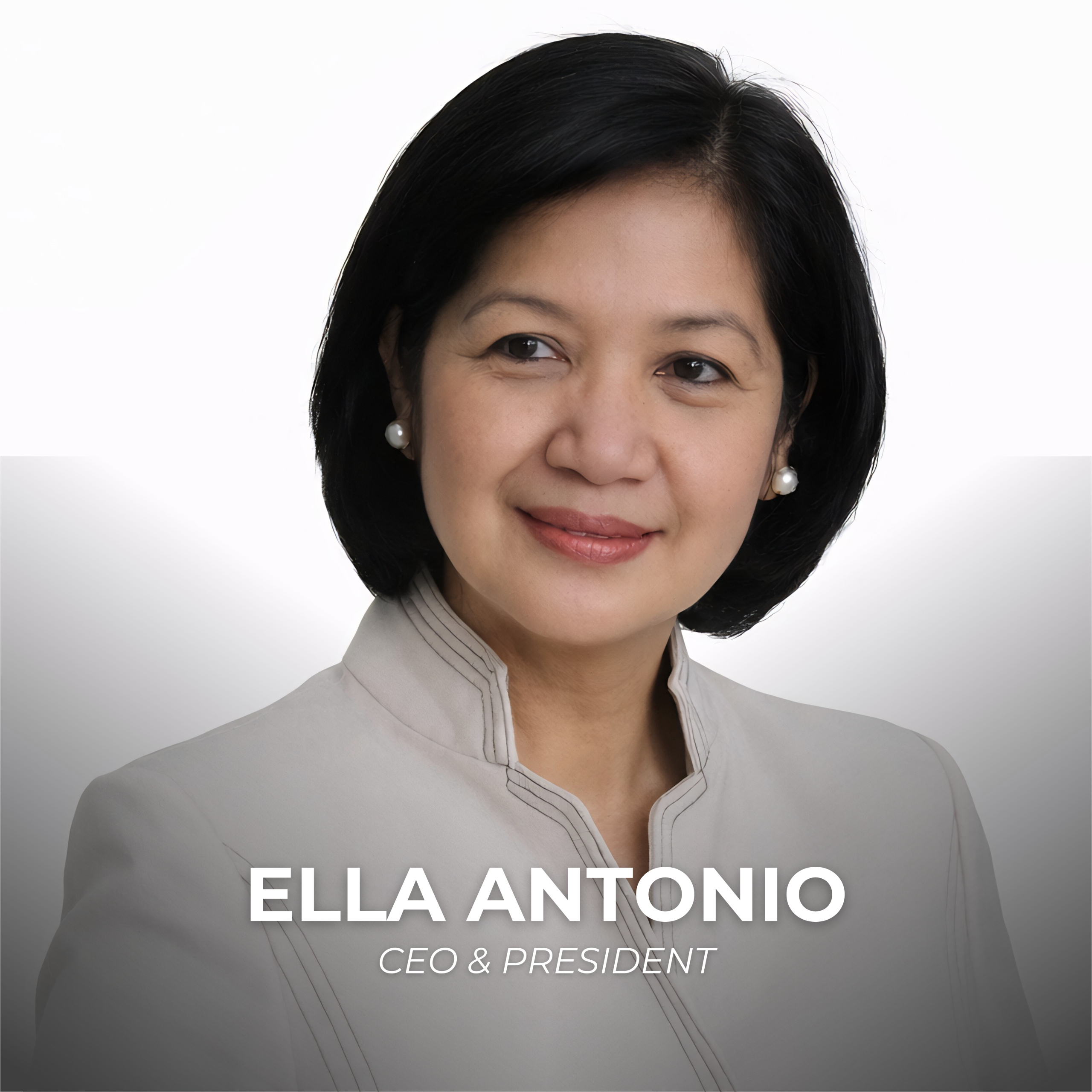
Ms. Antonio is a veteran policy practitioner who has led decades of interdisciplinary work on policy, planning, and development practice in the Philippines. A licensed Environmental Planner, her career began at the National Economic and Development Authority and spans over four decades across governance and sustainable development. She is actively engaged in NGO work, including as President of Earth Council Asia-Pacific and Vice President of EARTH Institute Asia.


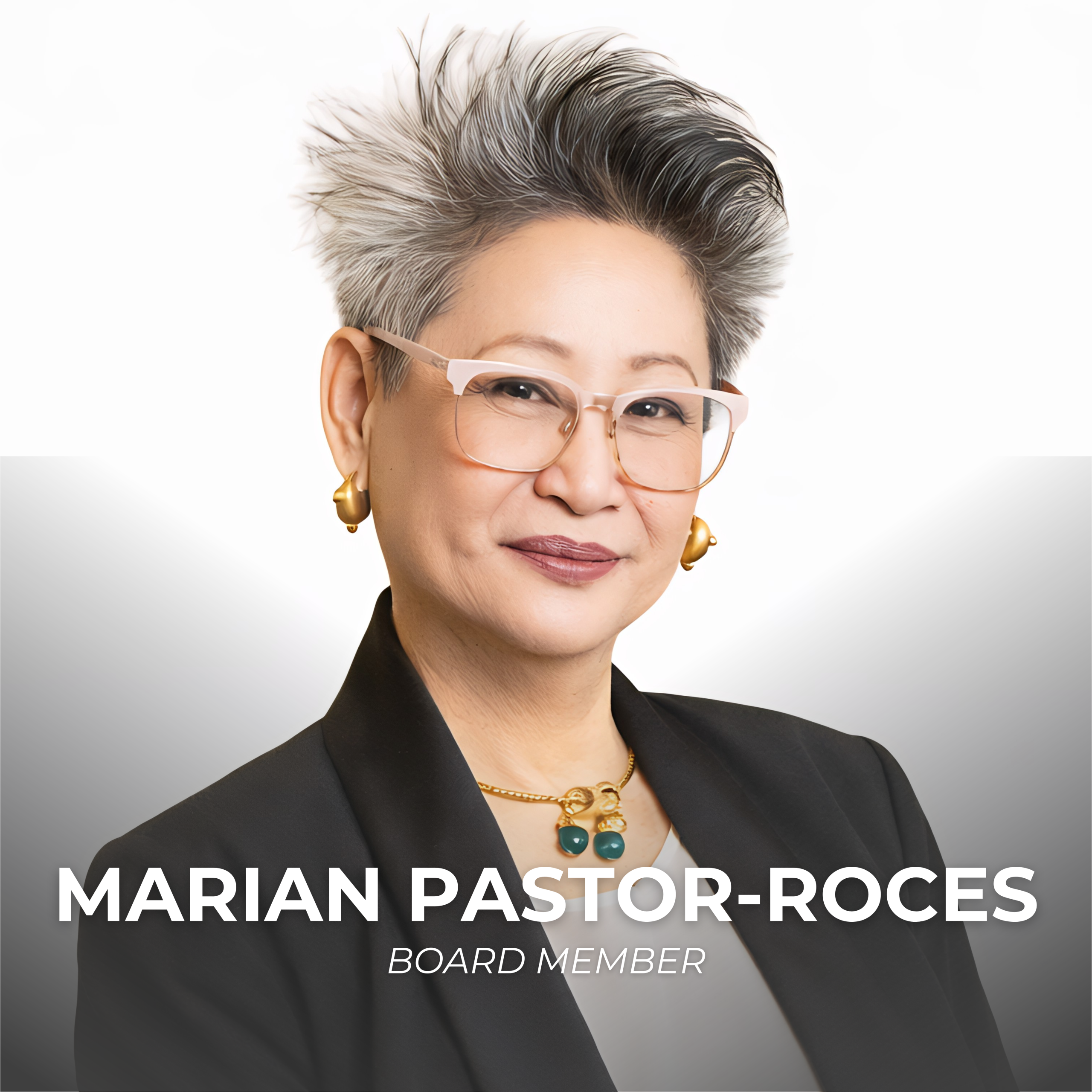
Ms. Pastor-Roces is the most senior Filipino curator, having led the research for the establishment of many major Philippine museums, each built on a scholarly synthesis of relevant updated social science and natural history. She has also pioneered the integration of cultural studies in policy work in the fields of economics and the environment. She curated Philippine pavilions in four World Expos, which have won awards and popular acclaim (e.g. Grand Prix for Best Designed Pavilion).


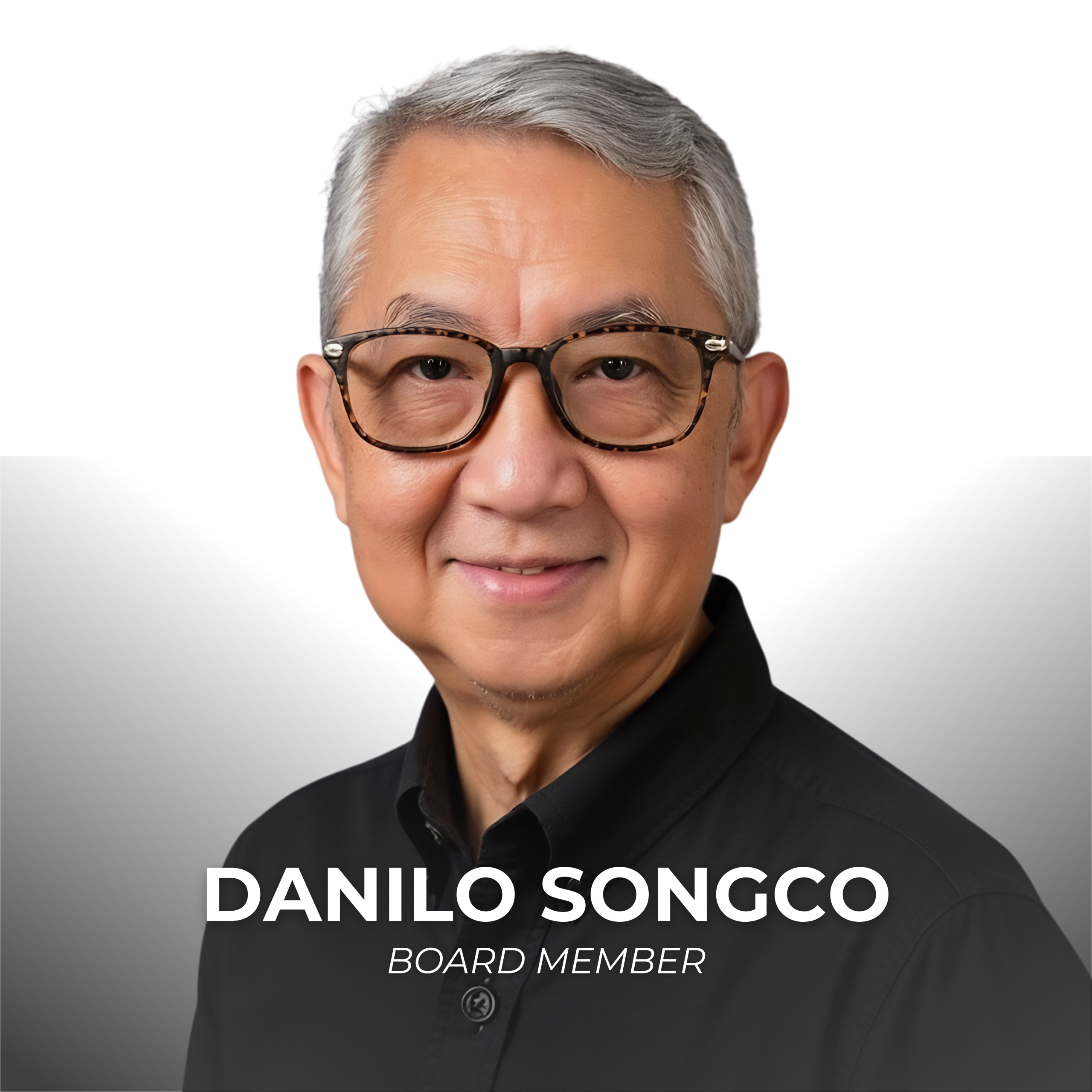
Mr. Songco held leadership positions in civil society organizations and government agencies and received awards for public service. He consults for the World Bank, ADB, IFAD, among others, on value chain development, farmers’ entrepreneurship, and rural finance, among other topics. He is currently an adjunct faculty member of the Asian Institute of Management.


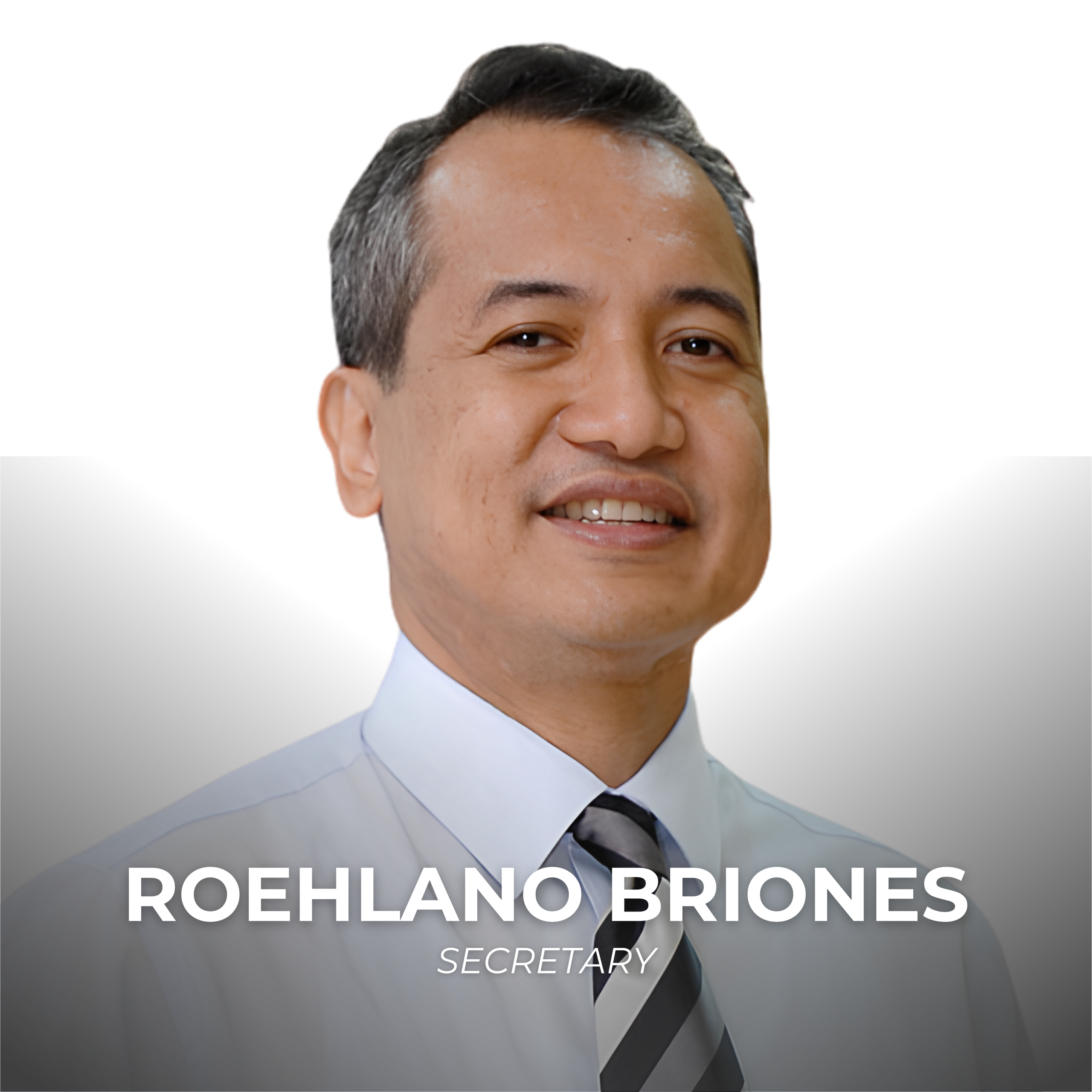
Dr. Briones is a well-known economist with extensive experience in policy evaluation, modeling, and econometrics. He is currently a Senior Research Fellow at the Philippine Institute for Development Studies, and has published widely on the economics of agriculture and natural resources, food security, irrigation policy, rural development, international trade, and the macro economy. He has been tapped by international development institutions to advise the governments of Thailand, Indonesia, and Vietnam, and various ASEAN bodies.


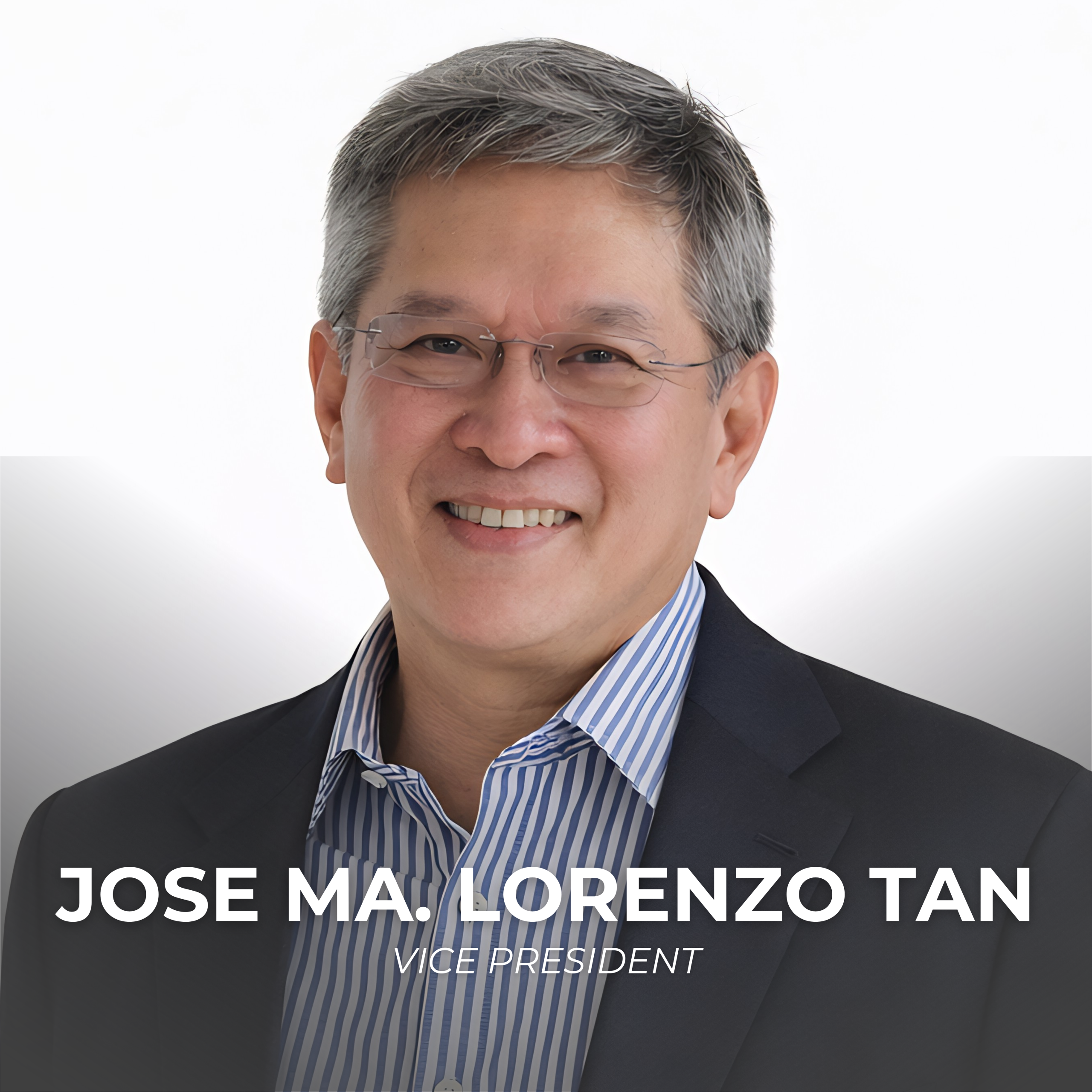
Mr. Tan is a passionate environmentalist whose career has been marked by active involvement in governance and advisory roles in various institutions. As two-term President/CEO of Worldwide Fund for Nature (WWF) Philippines in its early years, he steered the organization into prominence and remains in its National Advisory Council. He is also a Trustee of the Philippine Disaster Resilience Foundation, and Board Director in PHINMA Education (Laguna Schools), and the Elena P. Tan Foundation.


Ms. Lagarde has a distinguished public service career on environment and sustainable development – from teaching at the UP Los Baños, development planning at the National Economic and Development Authority, drafting intergovernmental agreements and action plans at the UN Secretariat in New York, to coordinating environmental programs at the Ministry of the Environment of Canada. Her current interest lies in the intersection of art/humanities and communication advocacy for mainstreaming environment in development decision-making.


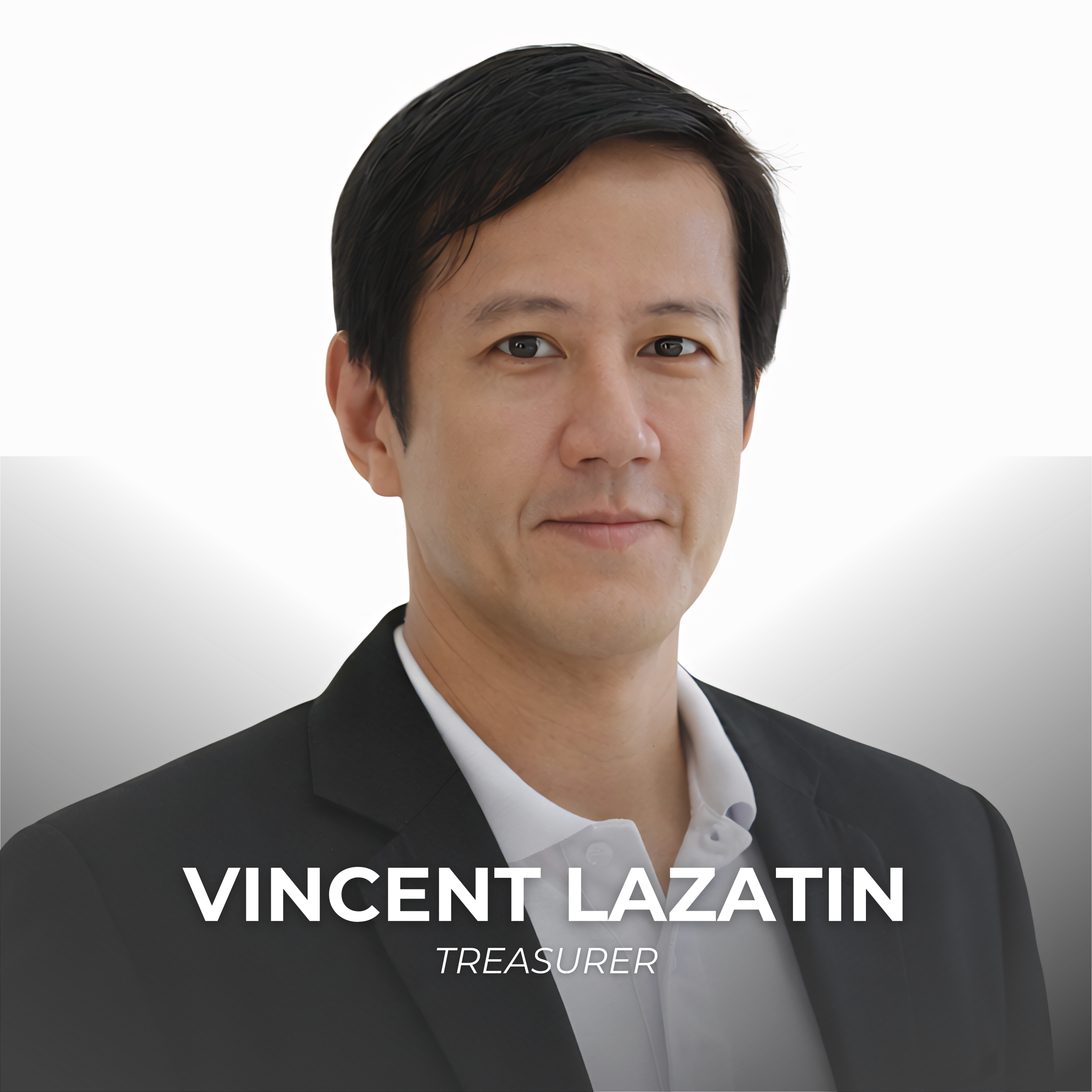
Mr. Lazatin is Executive Director of Transparency and Accountability Network, a network of 34 civil society organizations, non-governmental organizations and academic and research institutions focusing on transparency and accountability in governance. He has been with the Network since March 2001. 


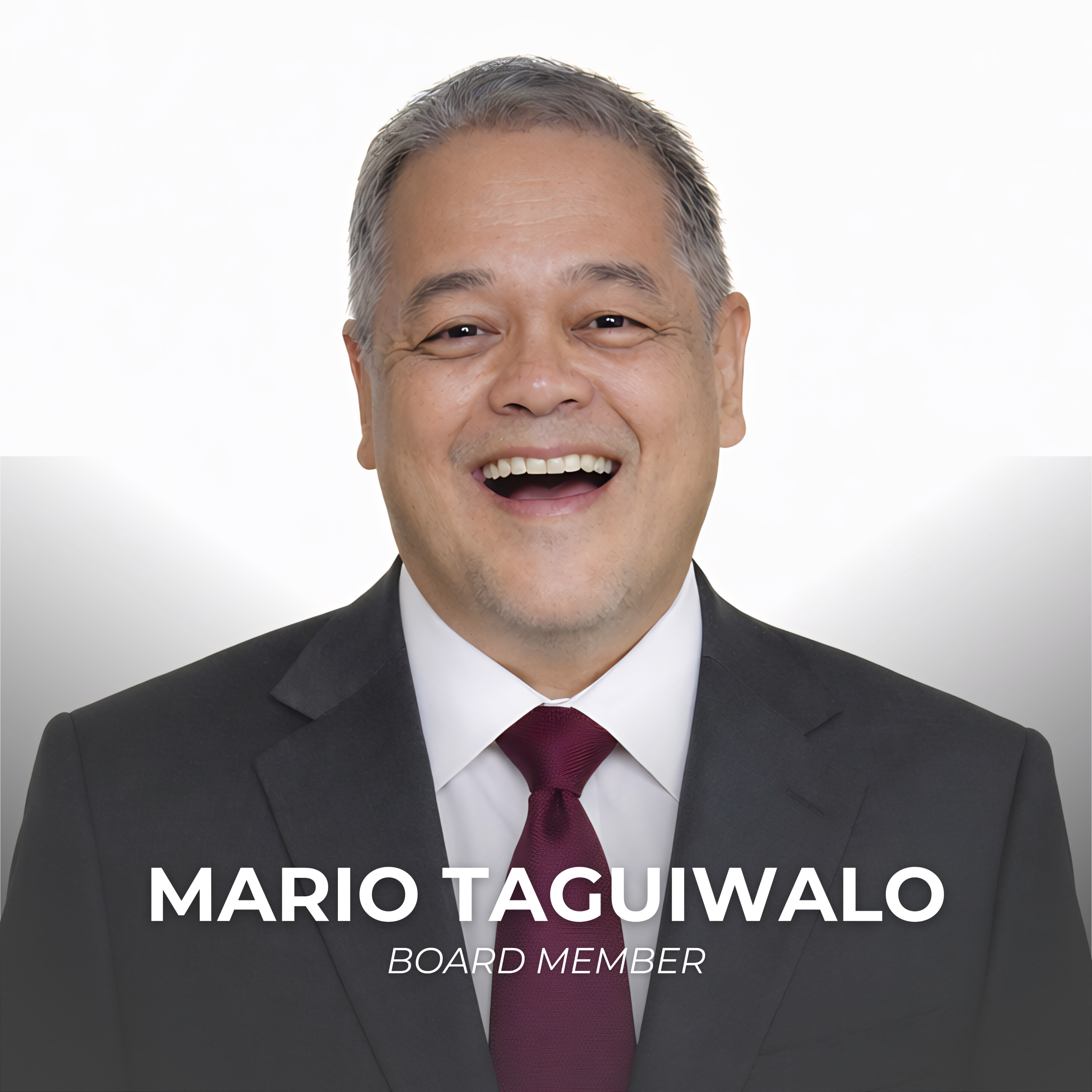
The late Mr. Taguiwalo (1951-2012) was Undersecretary of Health in the administration of President Corazon Aquino, and his analytical skills were also harnessed in non-health concerns, including peace strategies and civil service reforms. Beyond his government service, he continued promoting good governance in various roles, including as head of the think tank National Institute for Policy Studies, and was adviser in the Noynoy Aquino campaign in 2009-2010.